In this article
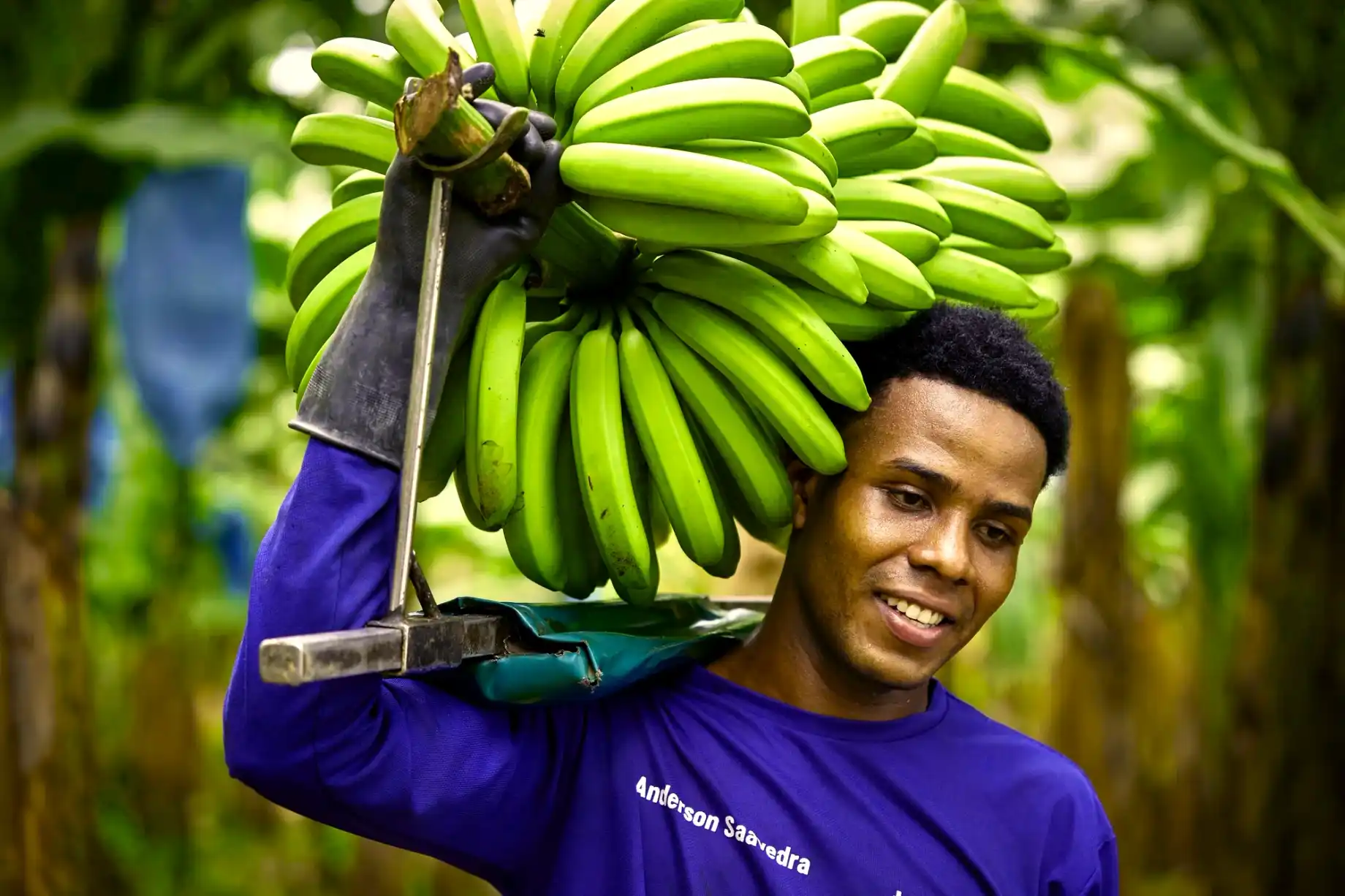
Bonita was born in 1956, when Luis A. Noboa Naranjo decided to export bananas on his own, under his own name. Today the brand is part of the export track record of Noboa Trading, which turns 80 in 2026, and of an industry where Ecuador is the largest banana exporter in the world. Here is how the three fit together.
How did Ecuador become the world’s top banana exporter?
Ecuador was not always a banana country. According to CIRAD, the French agricultural research centre, banana growing took off after the cocoa crisis of the late 1940s. Planted area grew from about 23,000 hectares in the early 1950s to about 125,000 in 1965, a boom the country nicknamed “banana fever”. From the 1960s on, Ecuador was already among the leading exporters, controlling around a quarter of world trade.
The story was not a straight line. In the late 1960s, the spread of Panama disease and yellow sigatoka slowed growth, and the gradual move to the Cavendish variety changed the rules of the business. The sector stagnated until the mid-1980s and took off again between 1985 and 1995, when Cavendish area doubled and yields improved. By the end of the 1990s there were about 140,000 hectares planted.
That is the backdrop to the track record Noboa Trading celebrates in 2026: eight decades of exporting that begin in 1946, when Ecuadorian bananas were just starting to look for markets abroad.
When was the Bonita brand born?
In 1956. Luis A. Noboa Naranjo, who had worked with Standard Fruit until then, decided to export on his own and under his own brand. That decision made Bonita more than a label: it became the expression of commercial independence.
It helps to keep the two anniversaries apart:
- 80 years is the export track record of Noboa Trading, counted from 1946.
- 70 years is the age of the Bonita brand, born in 1956.
What does an integrated banana export operation look like?
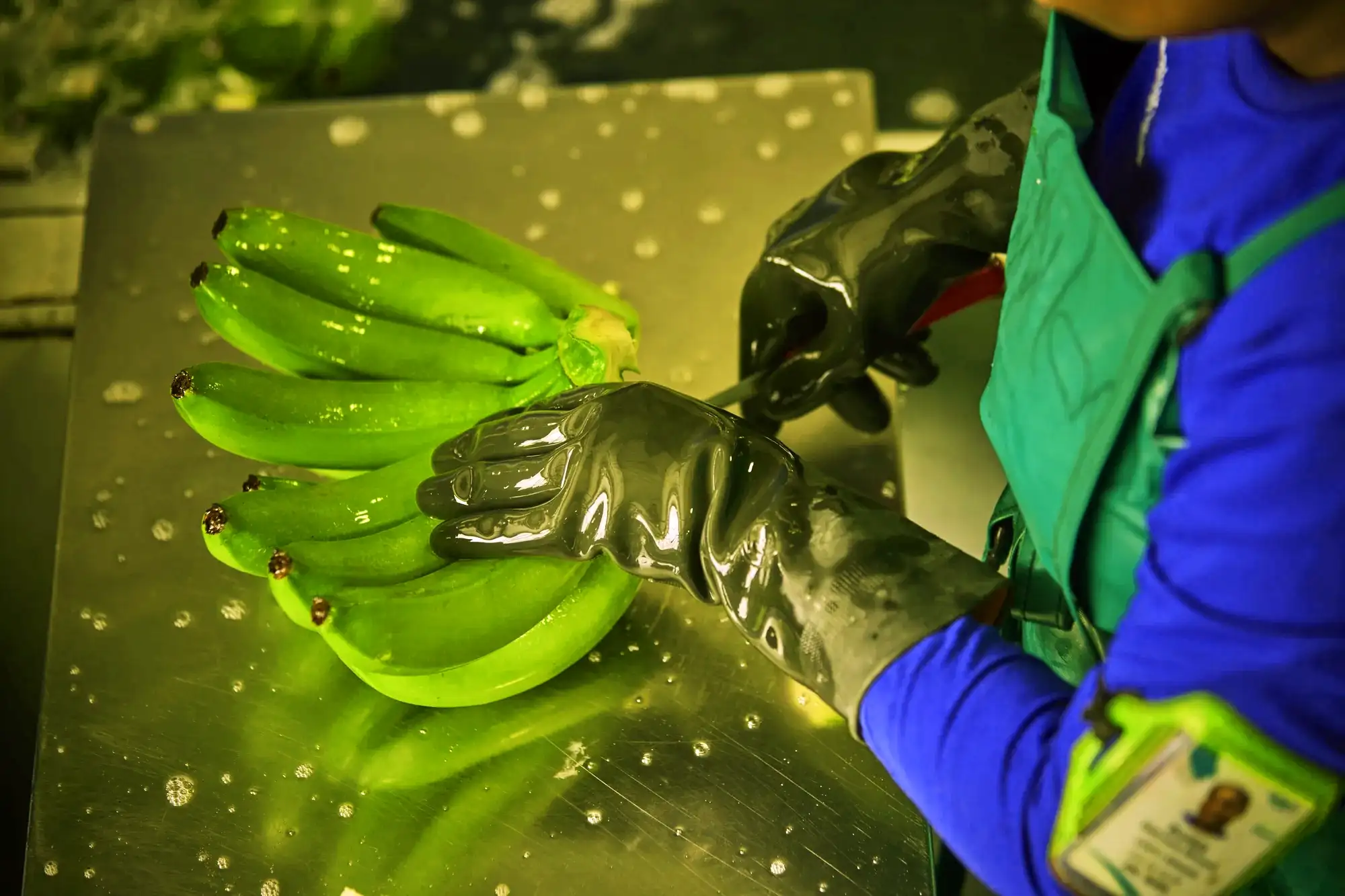
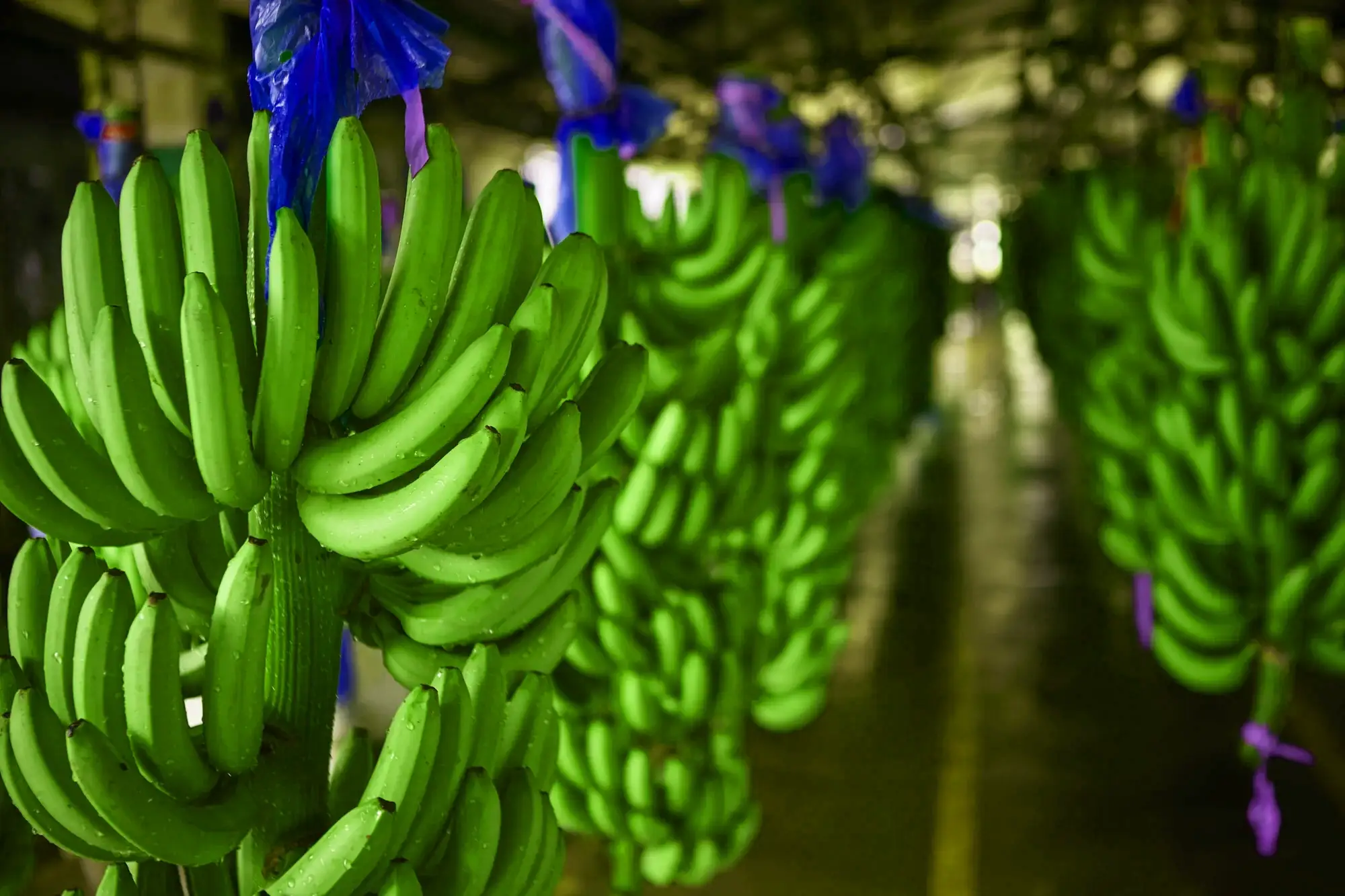
The brand soon went out to find markets: it reached Europe and took its first steps in Asia, while the company behind it built an increasingly integrated operation covering production, selection, packing, logistics and international sales. In 1997 the export platform reached 75 million boxes in a single year, its all-time high.
Today Noboa Trading is the fourth-largest banana exporter in Ecuador, shipping between 20 and 25 million boxes a year. Behind every Bonita box stands the scale of Corporación Noboa: ships, two carton companies, a plastics company, a truck fleet and the largest container yard in Ecuador. Fewer intermediaries in the chain means more control over quality, from the farm to the port.
Where does Ecuadorian banana stand in world trade today?
According to FAO, world banana exports reached 21.7 million tonnes in 2025, the highest level in five years. Ecuador, the world’s largest exporter, shipped about 6.5 million tonnes of that total.
Counted in boxes, the Ecuadorian banana exporters’ association, Acorbanec, reports 377.31 million boxes exported in 2025, up 3.45% on the previous year. The main destinations by volume were:
- European Union: 30.71%
- Russia: 20.32%
- Middle East: 14.88%
- United States: 11.78%
Bananas also weigh heavily on the national economy. According to the Central Bank of Ecuador, between January and June 2026 banana and plantain exports totalled about USD 2.36 billion and made up 16.1% of non-oil exports.
Where are bananas grown in Ecuador today?
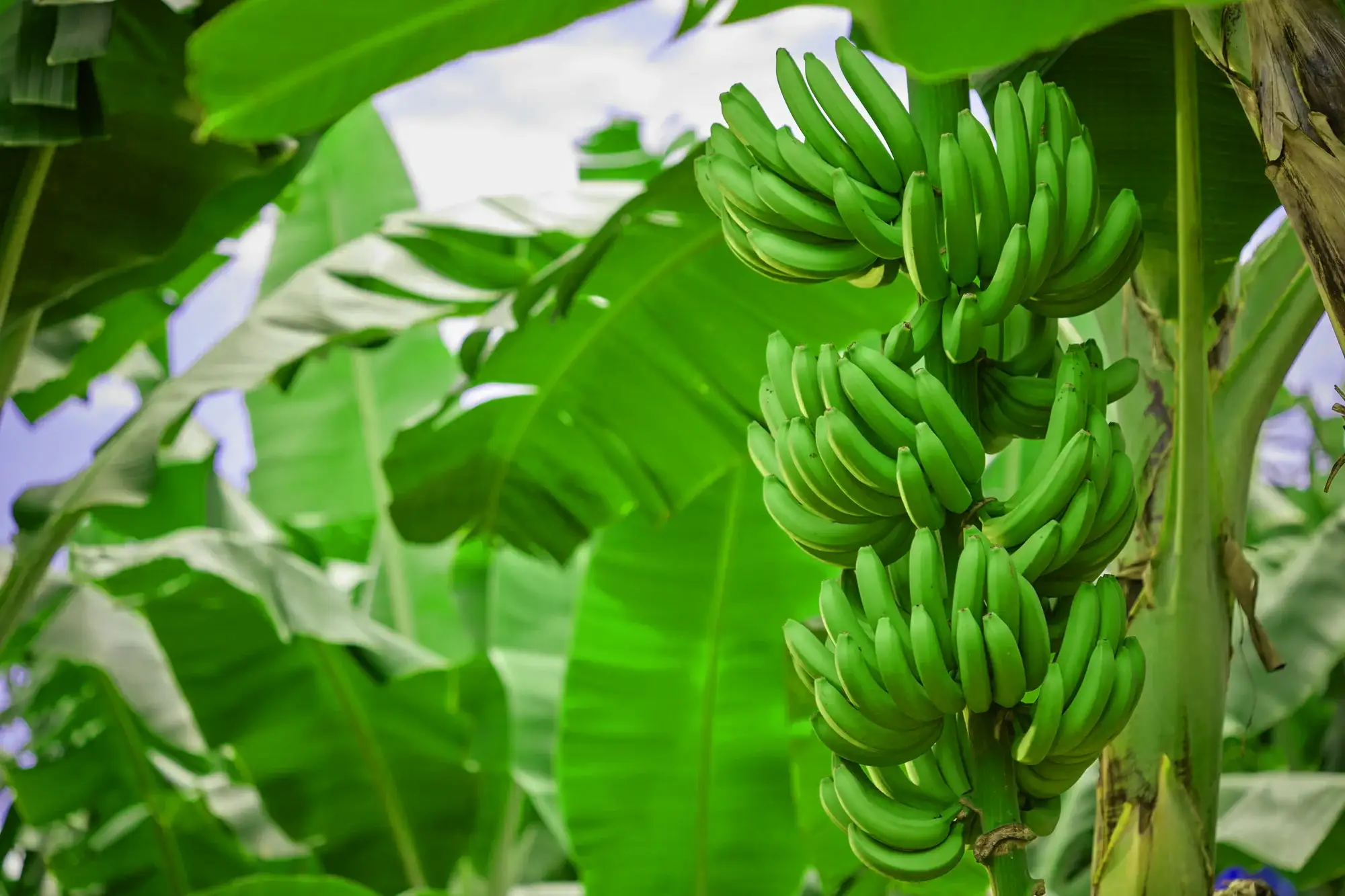
According to the national statistics institute INEC, in its continuous agricultural survey (ESPAC), the area planted with bananas in 2023 was 184,034 hectares. Three coastal provinces account for nearly nine in ten of them: Los Ríos (37.7% of planted area), Guayas (31.4%) and El Oro (19.7%).
Behind that area stands a structure of small and large national growers, plus cooperatives, who keep the flow of boxes moving to the ports. That network is part of what supports a brand like Bonita.
What does this history mean for importers and growers?
If you buy for an importer, a supermarket or a retailer, it means working with a 70-year-old brand backed by an exporter with 80 years of experience and a chain controlled from the farm to the port. You can see the Bonita bananas on the product page and how the operation fits together in About us.
If you are an Ecuadorian grower, it means joining a brand with a history and a taste for long-term partnerships. Read how we work with producers, and if the environmental side of the story interests you, see the 1,300 organic hectares of Bonita Farms and our Sustainability page.
Want to write the next chapter with us? Let’s talk.
Sources
- FAO, Banana Market Review 2025 (Rome, 2026): openknowledge.fao.org.
- Acorbanec, 2025 export figures as published by Portal Frutícola (28 January 2026): portalfruticola.com.
- INEC, ESPAC 2023: main results (April 2024): ecuadorencifras.gob.ec.
- Cantrelle, N. and Dawson, C., “The banana in Ecuador”, FruiTrop no. 274 (CIRAD, March-April 2021): fruitrop.com.
- Acorbanec, “El banano de Ecuador acelera sus exportaciones…”, with Central Bank of Ecuador data (1 September 2026): acorbanec.com.
Bonita was born from a simple, bold decision: to sell under its own name.