In this article
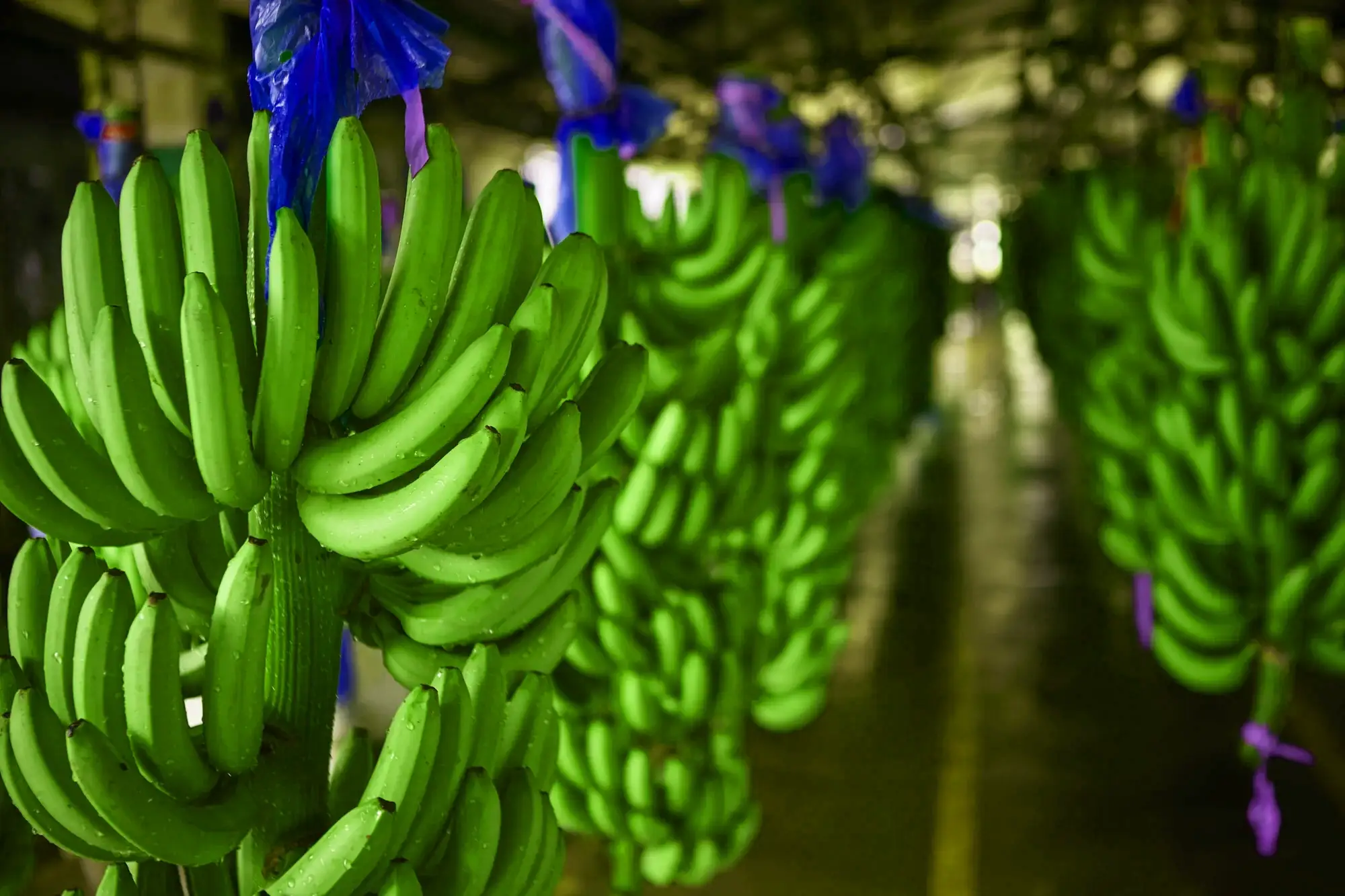
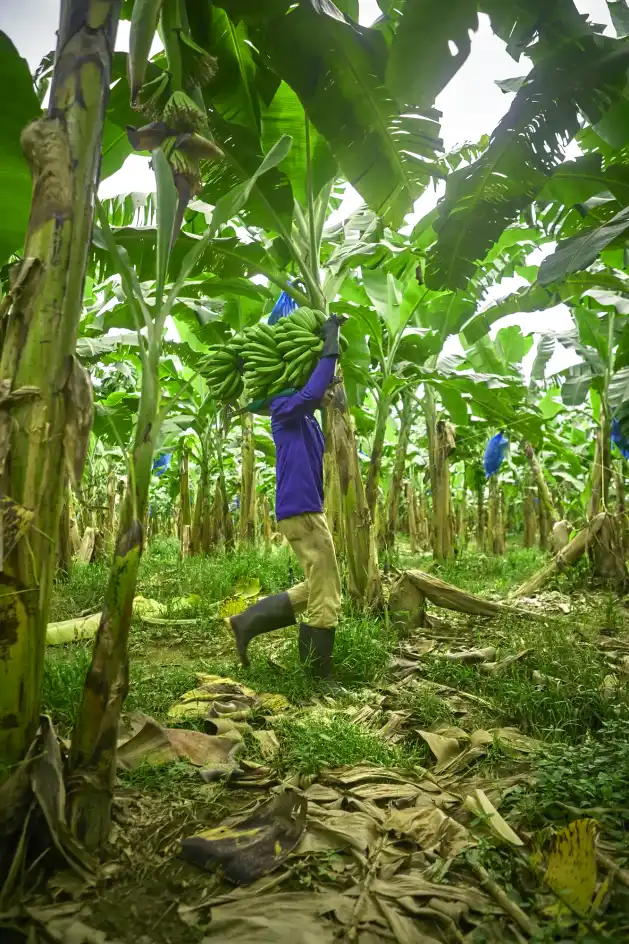
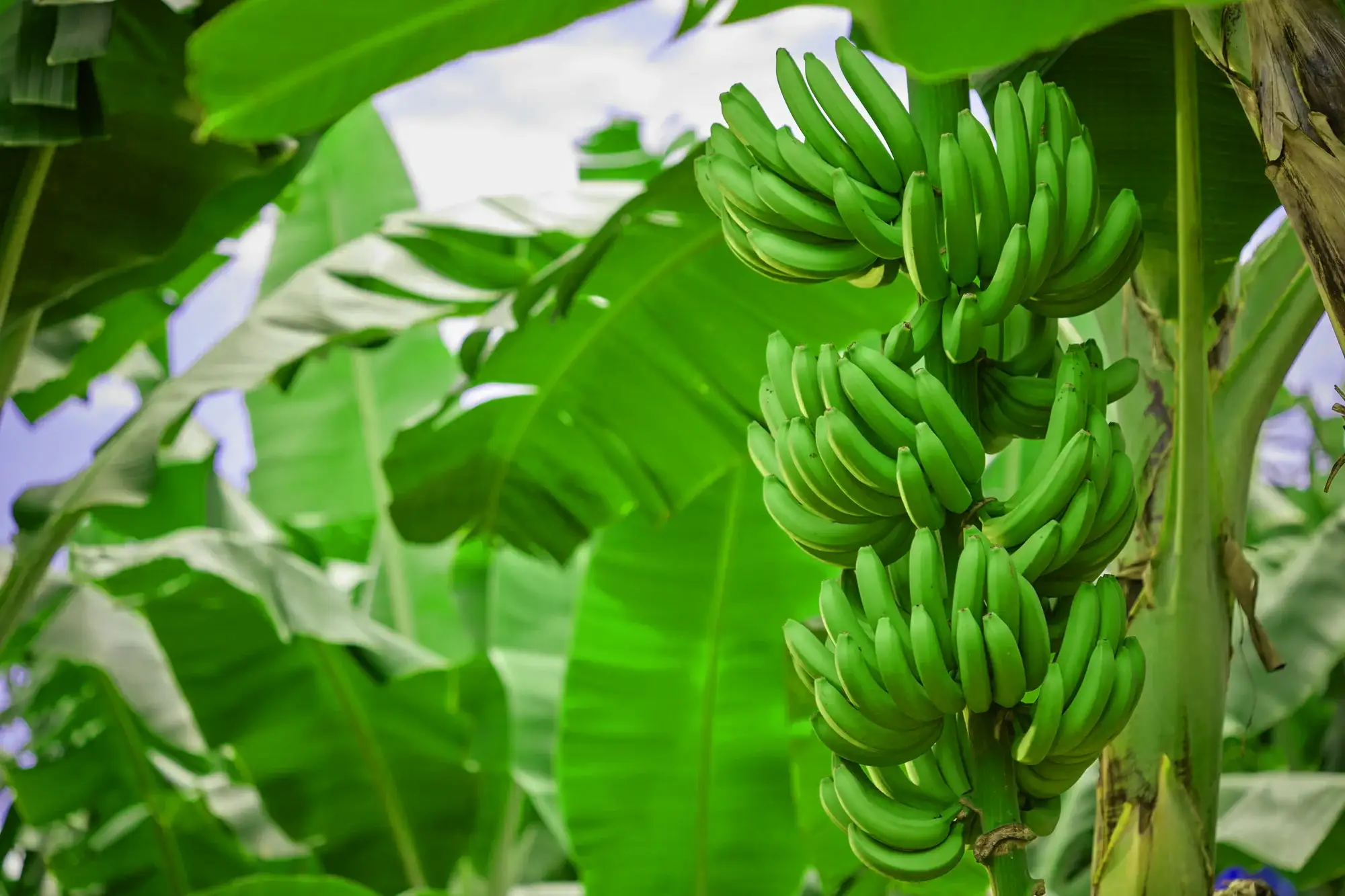
Bonita Farms grows bananas on 1,300 organic hectares. That work on the farm, together with Organic, Global G.A.P. and Rainforest Alliance certification, is part of Bonita’s environmental commitment, which runs from the farm to the port.
What are organic bananas?
The European Commission describes organic farming as a method that aims to produce food using natural substances and processes, while looking after biodiversity, soil fertility and water quality. Its regulation, (EU) 2018/848, limits the use of artificial fertilisers, herbicides and pesticides, and has applied since 1 January 2022.
For bananas, this means a category of its own within the export range. Bonita offers conventional and organic bananas, to match what each market asks for.
How is a banana verified as organic?
Through third-party certification. Since 2022, Regulation (EU) 2018/848 has provided that control bodies in countries outside the European Union, recognised by the Commission, certify that operators comply with European organic rules in order to export to the bloc. The earlier regime, based on equivalence, expired on 31 December 2024.
For a buyer, the practical upshot is to always ask the supplier for a current certificate and confirm that it covers both the product and the destination market.
Why does Ecuador matter for organic bananas?
The numbers from the biggest markets show it:
- European Union: according to the European Commission, Ecuador was the top supplier of organic products to the bloc in 2024, with organic banana shipments up 10%. Organic bananas made up 13.4% of EU banana imports that year.
- United States: FAO reports that organic banana imports grew about 15% in 2024 to roughly 640,000 tonnes, and that organic shipments from Ecuador to that market rose 20%.
- Inside Ecuador: between January and November 2025, organic bananas were 3.99% of the boxes the country exported, according to Acorbanec.
It is a smaller segment than conventional, but demand is growing, and Bonita Farms’ 1,300 hectares are part of that supply.
Which certifications back Bonita’s operation?
Bonita communicates three certifications. In general terms, this is what each one means:
- Organic. It shows that production follows the organic farming rules of the destination market, checked by a control body.
- Global G.A.P. A good agricultural practices standard that promotes safe, socially and environmentally responsible farming. Bonita’s scope includes three components: GRASP, an add-on that assesses workers’ health, safety and welfare on the farm; FSMA, which aligns production with the US FDA’s Produce Safety Rule; and R4T, the Spanish-language abbreviation for Tropical Race 4, the banana disease discussed below.
- Rainforest Alliance. Its seal rests on four pillars: forests and biodiversity, climate, human rights and livelihoods. Independent auditors visit farms to check compliance.
These systems operate at global scale. GLOBALG.A.P. reports that, at the end of 2024, its GRASP add-on had assessed more than 117,000 producers in more than 100 countries, and its FSMA add-on had 3,788 certified producers in 18 countries. Rainforest Alliance, for its part, reports more than 6 million hectares of certified farmland and a presence in 62 countries.
Why is Tropical Race 4 an industry-wide concern?
Tropical Race 4 (TR4) is a soil-borne fungus that attacks banana roots. FAO explains that it spreads through infected plant material and through contaminated soil stuck to tools, shoes, clothes, animals and vehicles, and that once established it can cause complete yield loss. No effective fungicide exists today, so the most effective approach is to stop it from reaching clean areas.
According to FAO, Ecuador maintains rigorous prevention measures in view of the outbreaks recorded in neighbouring Colombia and Peru. It is one more reason buyers look closely at their suppliers’ biosecurity protocols.
How does the farm connect to the rest of the chain?
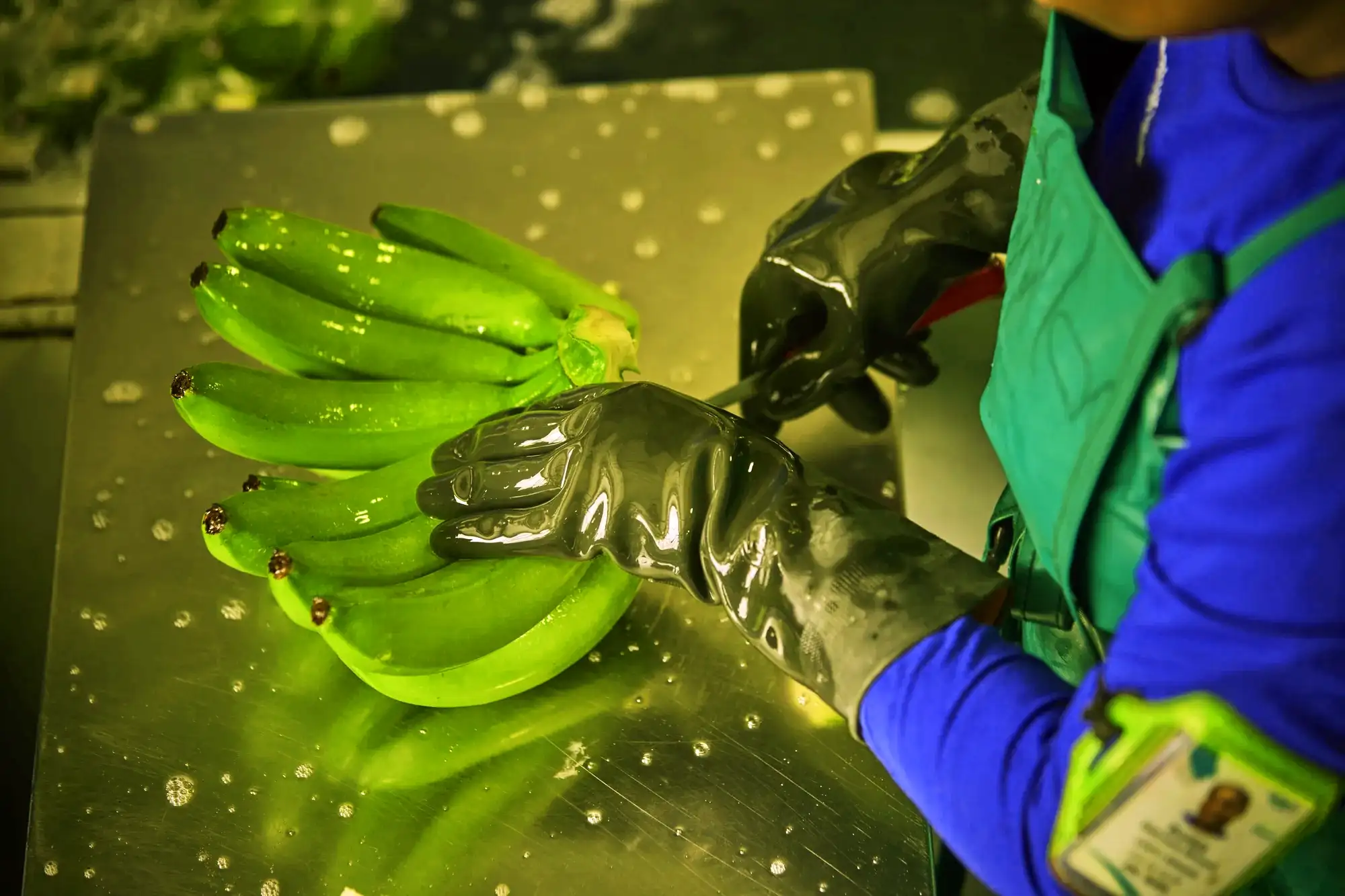
The farm is the first link in traceability from the farm to the port. Bonita Farms provides its own production, which sits alongside the work of a network of producers and cooperatives across the Ecuadorian countryside. Packing, transport and port departure follow, and you can walk through them step by step in the journey of a box, from farm to port.
What can a buyer expect?
- First-quality Cavendish bananas, in conventional and organic categories.
- Three communicable certifications: Organic, Global G.A.P. and Rainforest Alliance.
- An integrated chain from the farm to the port, with fewer intermediaries.
See the product, read more on Sustainability or look at what makes our bananas premium. If you want a quote for organic bananas, write to us.
Sources
- European Commission, “Organics at a glance” and “Organic production and products”: agriculture.ec.europa.eu.
- European Commission, EU imports of organic agri-food products: key developments in 2024 (May 2025): agriculture.ec.europa.eu.
- FAO, Banana Market Review 2024 (Rome, 2025): openknowledge.fao.org.
- FAO, TR4 Global Network, “What is Fusarium Tropical Race 4?”: fao.org/tr4gn.
- GLOBALG.A.P., GRASP and FSMA Produce Safety Rule add-ons: globalgap.org.
- Rainforest Alliance, Sustainable Agriculture Standard: rainforest-alliance.org.
- EUR-Lex, Commission Implementing Regulation (EU) 2024/3121, on recognition of control bodies for organic imports: eur-lex.europa.eu.
- Acorbanec, exports from January to November 2025 by box type: acorbanec.com.